
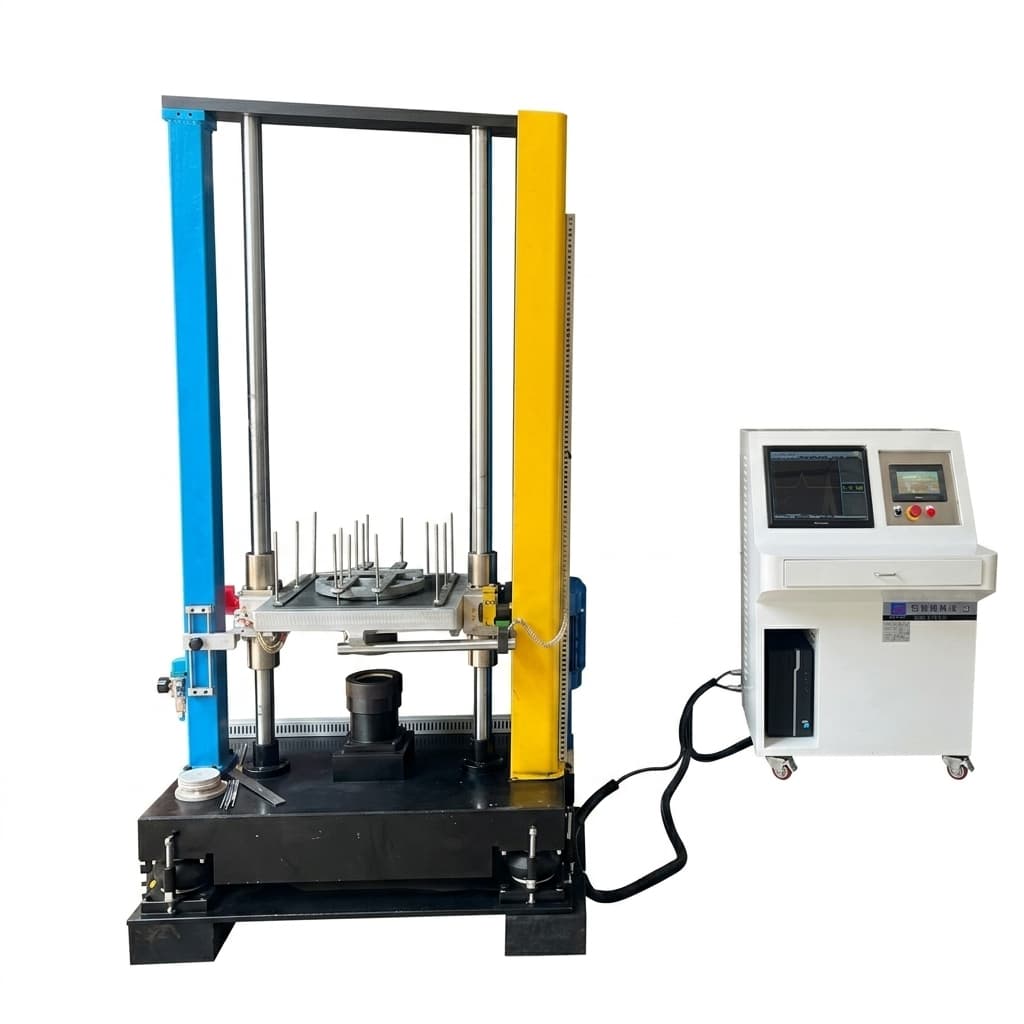
Prototype to Mass Production: 12 Gate Plan for Joint Actuators
A 12-gate execution model for robot joint actuator programs covering prototype validation, CTQ control, compliance file readiness, and production-release criteria with timeline estimates and cost-of-failure analysis.
Key Takeaways
- A structured 12-gate workflow prevents the most common failure: passing prototype tests but missing mass-production targets.
- Typical total timeline from requirement freeze to MP release is 14–26 weeks, depending on actuator complexity and validation scope.
- Skipping thermal validation (Gate 8) alone can add $100K+ in recall costs and 10–16 weeks of delay.
- Every gate must have three elements: an owner, dated evidence, and a release/no-release decision. No exceptions.
Why Programs Fail Between Sample and MP
Many teams pass prototype tests but still miss mass-production targets.
The root cause is usually governance, not hardware: no frozen acceptance criteria, weak revision control, and poor evidence handoff between engineering and procurement.
In our experience supporting OEM programs, the two most expensive failure patterns are:
- Prototype acceptance criteria differ from pilot criteria — the supplier passes samples against one standard, then production is judged against a different (usually stricter) standard. This creates a dispute that delays MP release by 6–12 weeks.
- Compliance documents requested only after shipment booking — CE/RoHS evidence takes 4–6 weeks to prepare for first-time certification. If this is not started at Gate 5, it becomes a critical-path blocker at Gate 11.
12-Gate Execution Model
| Gate | Stage | Exit Criteria | Owner | Typical Duration |
|---|---|---|---|---|
| G1 | Requirement freeze | Technical baseline approved | Buyer engineering | 1–2 weeks |
| G2 | RFQ data lock | Core RFQ fields complete | Buyer sourcing | 1–2 weeks |
| G3 | Model shortlist | 2–3 candidates selected with rationale | Joint team | 1–2 weeks |
| G4 | Quote baseline | Technical assumptions documented | Supplier + buyer | 1–2 weeks |
| G5 | Prototype release | Drawing/protocol revision frozen | Supplier engineering | 4–6 weeks |
| G6 | Sample incoming check | Quantity, labeling, revision verified | Buyer quality | 3–5 days |
| G7 | Functional test | Torque-speed/backlash criteria pass | Buyer engineering | 1–2 weeks |
| G8 | Thermal and endurance check | Boundary conditions validated | Buyer + supplier | 2–4 weeks |
| G9 | Issue closure | NCR items closed with owner/date | Joint team | 1–2 weeks |
| G10 | Pilot plan | Pilot lot CTQ and records defined | Supplier quality | 1–2 weeks |
| G11 | Compliance pack review | Required docs verified per certificate scope | Buyer compliance | 1–2 weeks |
| G12 | MP release | PO release with final revision map | Buyer procurement | 3–5 days |
Total estimated timeline: 14–26 weeks (varies by actuator complexity, validation scope, and issue closure speed).
Critical-to-Quality (CTQ) Control Example
| CTQ Item | Measurement Method | Frequency | Release Rule |
|---|---|---|---|
| Output backlash | Defined reversal test under load | Per lot + sample audit | Must be within agreed arcmin limit |
| Continuous torque at target RPM | Duty-cycle bench test | Per lot | No derating beyond agreed threshold |
| Temperature rise | Enclosure-relevant condition per QA process | Pilot + periodic | Within agreed thermal ceiling |
| Interface dimensions | Drawing revision inspection | 100% critical dims | No mismatch on critical interfaces |
| Encoder signal stability | Protocol/feedback verification | Per pilot lot | Communication and position consistency pass |
Visual Timeline
Cost of Skipping Gates
Skipping gates does not save time — it moves cost from the controllable early phase into the uncontrollable late phase.
| Skipped Gate | What Happens | Typical Cost Impact | Typical Delay |
|---|---|---|---|
| G1 (Requirement freeze) | Scope creep throughout prototype phase | $15–30K in added sample iterations | 4–8 weeks |
| G5 (Drawing revision freeze) | 3–5 additional sample builds against moving targets | $20–50K in tooling and NRE rework | 6–12 weeks |
| G7 (Functional test) | Performance gaps discovered during pilot or field deployment | $50–100K in batch rework or scrap | 8–14 weeks |
| G8 (Thermal validation) | Overheating in enclosed installation; field returns | $100K+ in recall, rework, and re-validation | 10–16 weeks |
| G11 (Compliance pack) | Customs clearance blocked; shipment held at port | $10–30K in storage and re-documentation | 3–6 weeks |
Failure Case Studies
Case A: Cobot Joint — Thermal Gate Skipped
A European cobot team passed G7 (functional test on open-air bench) and proceeded directly to pilot lot, skipping G8. During customer field trials, winding temperature exceeded 120°C in enclosed joint housings at 60% duty cycle. Root cause: the supplier's torque-speed curve was measured at 25°C ambient on an open fixture — not representative of installed conditions.
Result: Full pilot batch (200 units) returned. 14-week delay for thermal re-design and re-validation. Estimated cost: $160K including expedited re-testing and air freight for replacement units.
Lesson: Always require thermal evidence under conditions matching your installation (enclosed housing, multi-axis heat stack, realistic ambient temperature).
Case B: Humanoid Leg — Requirement Freeze Skipped
A humanoid robotics team began supplier evaluation without freezing torque and backlash requirements (G1 not completed). During the 6-month prototype phase, the load requirement changed three times due to evolving gait algorithms. Each change triggered a new sample build and a new round of supplier quotes.
Result: 5 sample iterations instead of 2. Total NRE spend was $85K — roughly 3x the original budget. The program launched 4 months behind schedule.
Lesson: Freeze the minimum viable requirement set before engaging suppliers. If your load model is still maturing, state the requirement as a range with upper bound, not as a moving point target.
Evidence Package Checklist Before MP
Before signing the MP release (G12), verify every item on this list:
- final drawing/protocol revision map;
- prototype and pilot test summary with pass/fail references;
- CTQ control plan with sampling logic;
- closed issue list with corrective action traceability;
- compliance documents aligned to shipment scope per Quality & Compliance;
- packaging and logistics execution checklist.
High-Risk Patterns to Avoid
- Prototype pass criteria differ from pilot criteria. Use one shared acceptance framework from sample through MP. Our OEM customization workflow enforces revision-controlled CTQ alignment across all stages.
- Engineering change accepted verbally without lot-effective definition. Every change must have a written change request with lot-effective date. See our prototype-to-MP transition process.
- Compliance documents requested only after shipment booking. Start compliance package assembly at G5. See Certificates & Compliance Documents for supported scope.
- Procurement releases PO before quality and revision closure. G12 should be the last gate, not the first.
Buyer Action Plan
If you are in active sourcing:
- Copy the 12-gate table into your internal project tracker.
- Assign an owner for every gate and every evidence file.
- Reject "ready for MP" claims without dated gate evidence.
- Use our RFQ Template to structure your initial supplier engagement.
- Review your actuator selection criteria before locking the model shortlist at G3.
For direct execution alignment, use OEM Capabilities and Quality & Compliance, then start a gated discussion through Contact / RFQ.
Author

Categories
More Posts
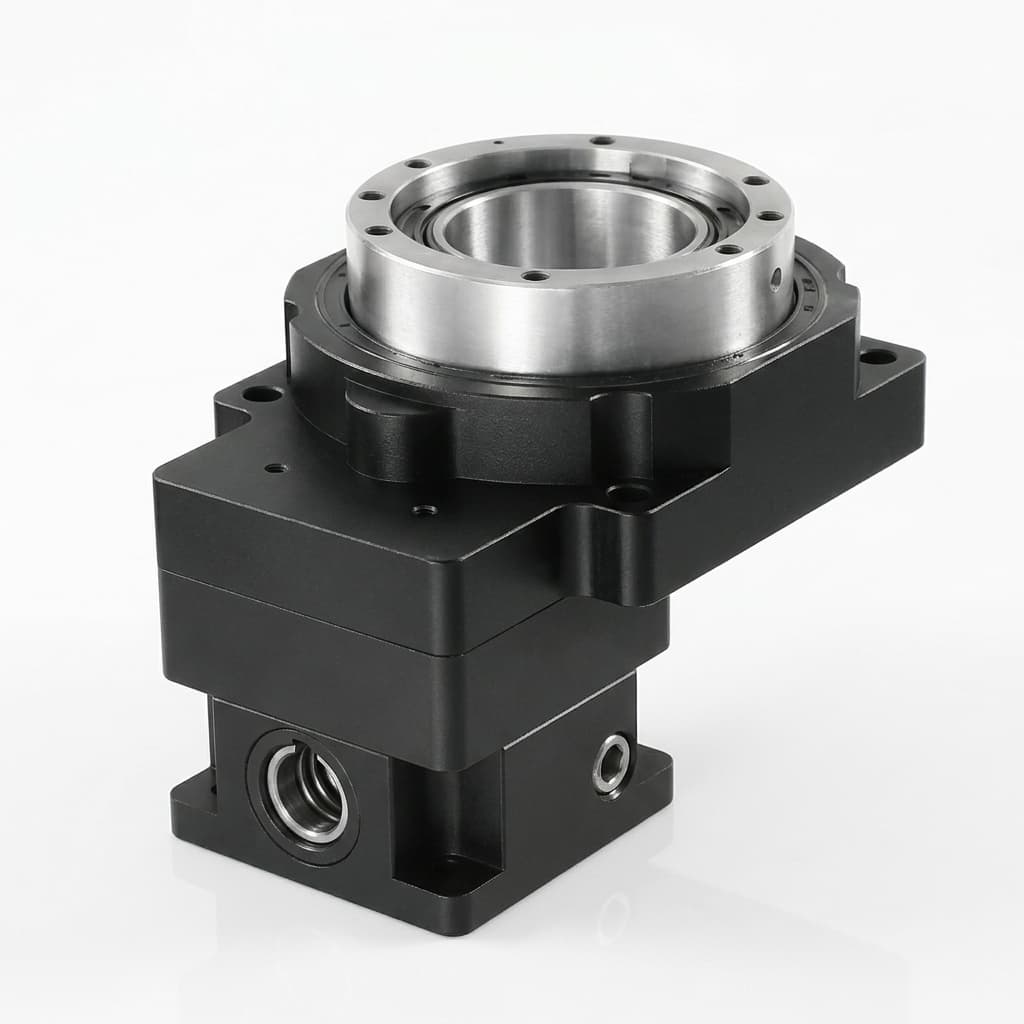
Strain Wave vs Cycloidal Drives in Robot Joints: Precision vs Robustness
Compare strain wave and cycloidal drives for robot joint actuators by backlash, shock load, torque density, cost, service life, and RFQ fit before sourcing.
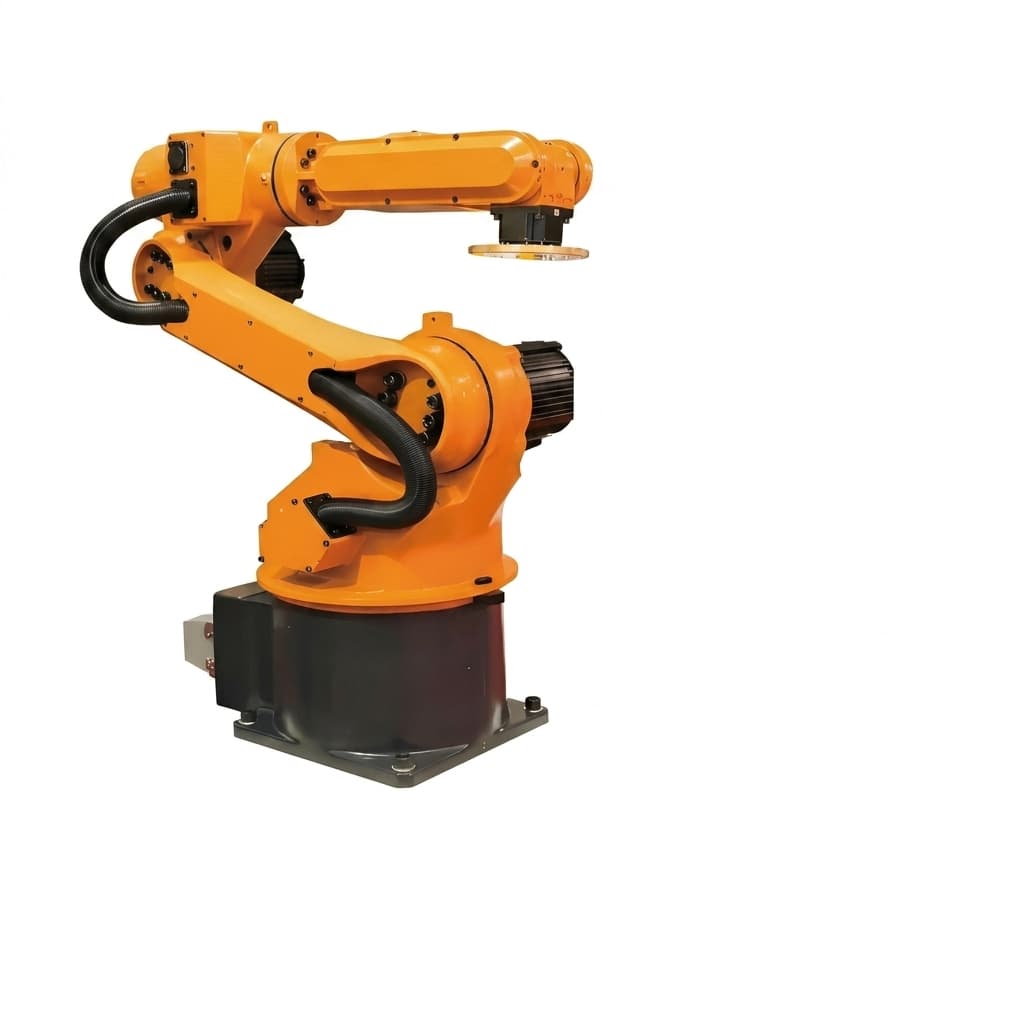
Thermal Derating in IP67 Sealed Robot Joint Actuators: What Datasheets Hide (2026)
Engineering guide to thermal derating in sealed robot joint actuators: IP67 torque loss, supplier datasheet checks, RFQ questions, and test limits.
Robot Joint Actuator RFQ Template: 25 Fields Buyers Should Send
A buyer-grade RFQ template with 25 mandatory fields, supplier red flag checklist, complete fill-in example, quote-comparison matrix, and timeline expectations to reduce rework and speed supplier evaluation.