
Resources
This library is built for procurement and engineering alignment, not general marketing reading. Each article includes decision criteria, risk controls, and practical actions you can reuse in real RFQ and validation workflows.
Read articles in decision order so your team moves from model screening to RFQ quality and then to customization governance without missing critical handoff details.
| Project Stage | Recommended Article | Decision Output |
|---|---|---|
| product | Strain Wave vs Cycloidal Drives in Robot Joints: Precision vs Robustness | Reusable acceptance criteria and checklists for supplier communication. |
| product | Hollow Shaft vs Solid Shaft Robot Joint Actuators: A Procurement and Engineering Guide | Reusable acceptance criteria and checklists for supplier communication. |
| product | TCO Analysis for Robot Joint Actuators: Hidden Costs Beyond the BOM | Reusable acceptance criteria and checklists for supplier communication. |
You can also filter by buyer intent in our product, company, and news categories.
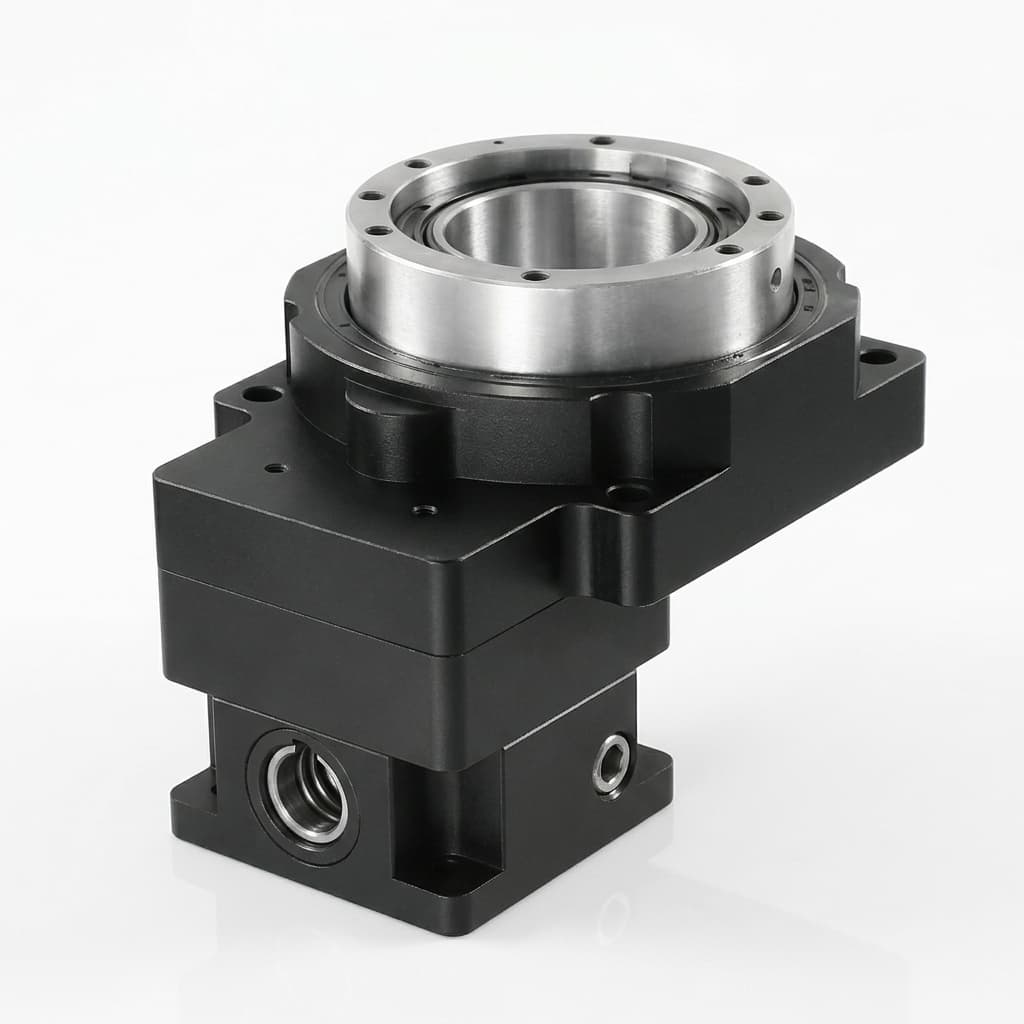
Compare strain wave and cycloidal drives for robot joint actuators by backlash, shock load, torque density, cost, service life, and RFQ fit before sourcing.

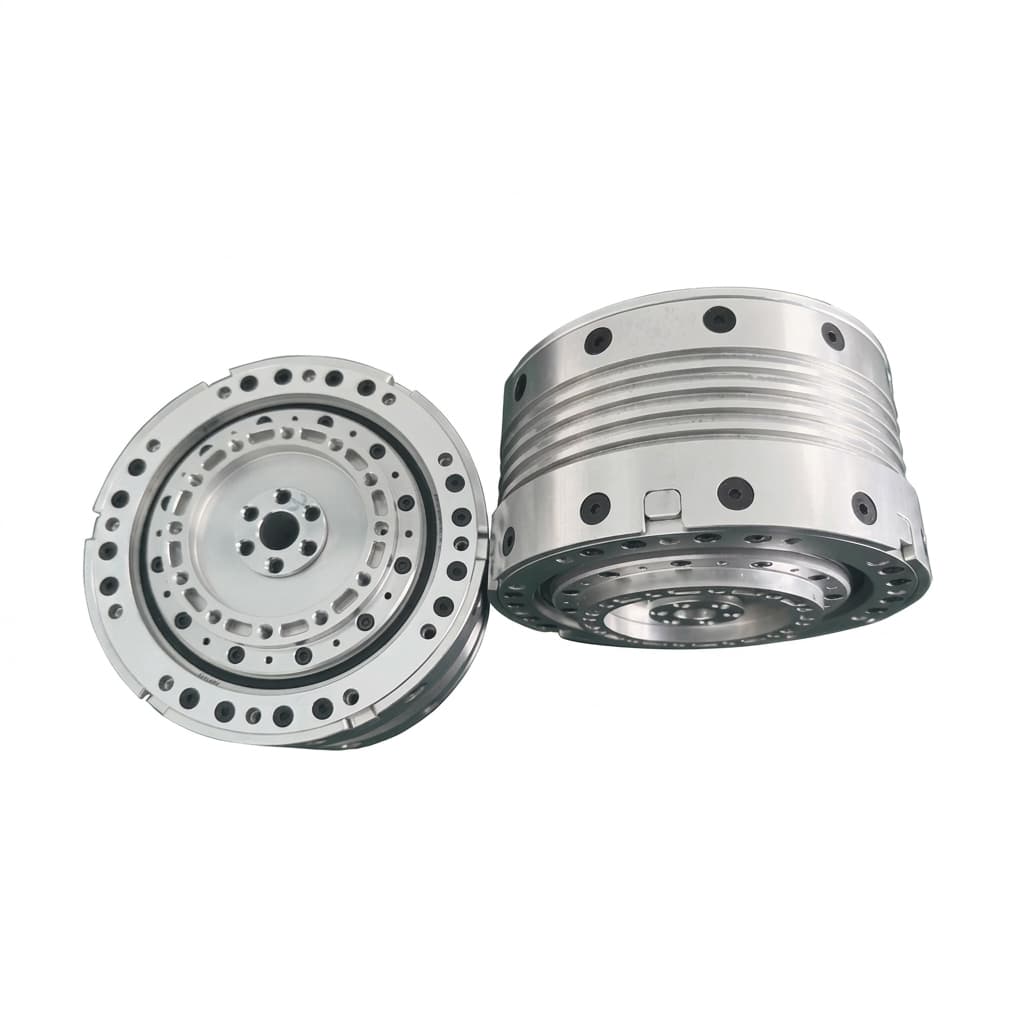
An in-depth analysis of hollow vs. solid shaft robot joint actuators. Learn how internal cable routing impacts torque density, sealing, cost, and procurement strategy.
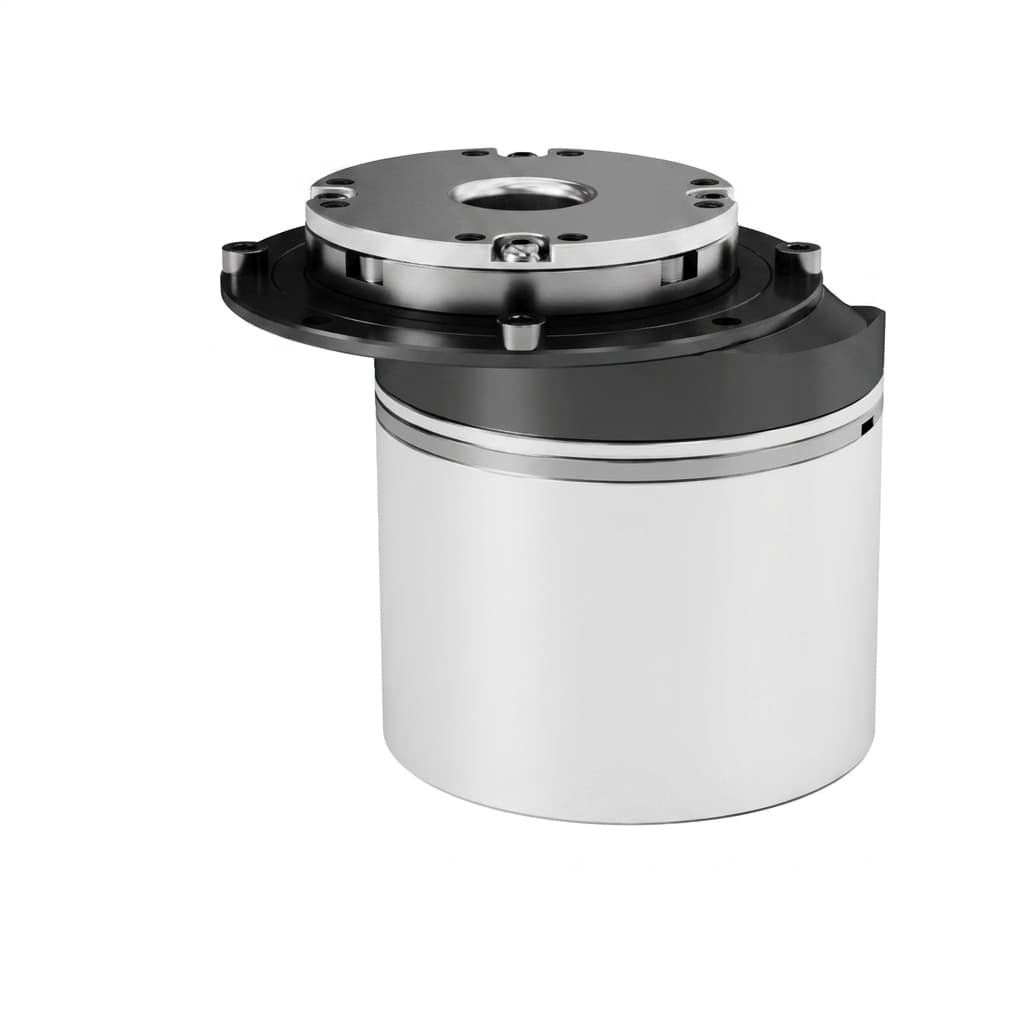
Use this 2026 robot joint actuator TCO guide to price integration, tuning, yield, warranty, downtime, spares, and supplier risk before issuing an RFQ.
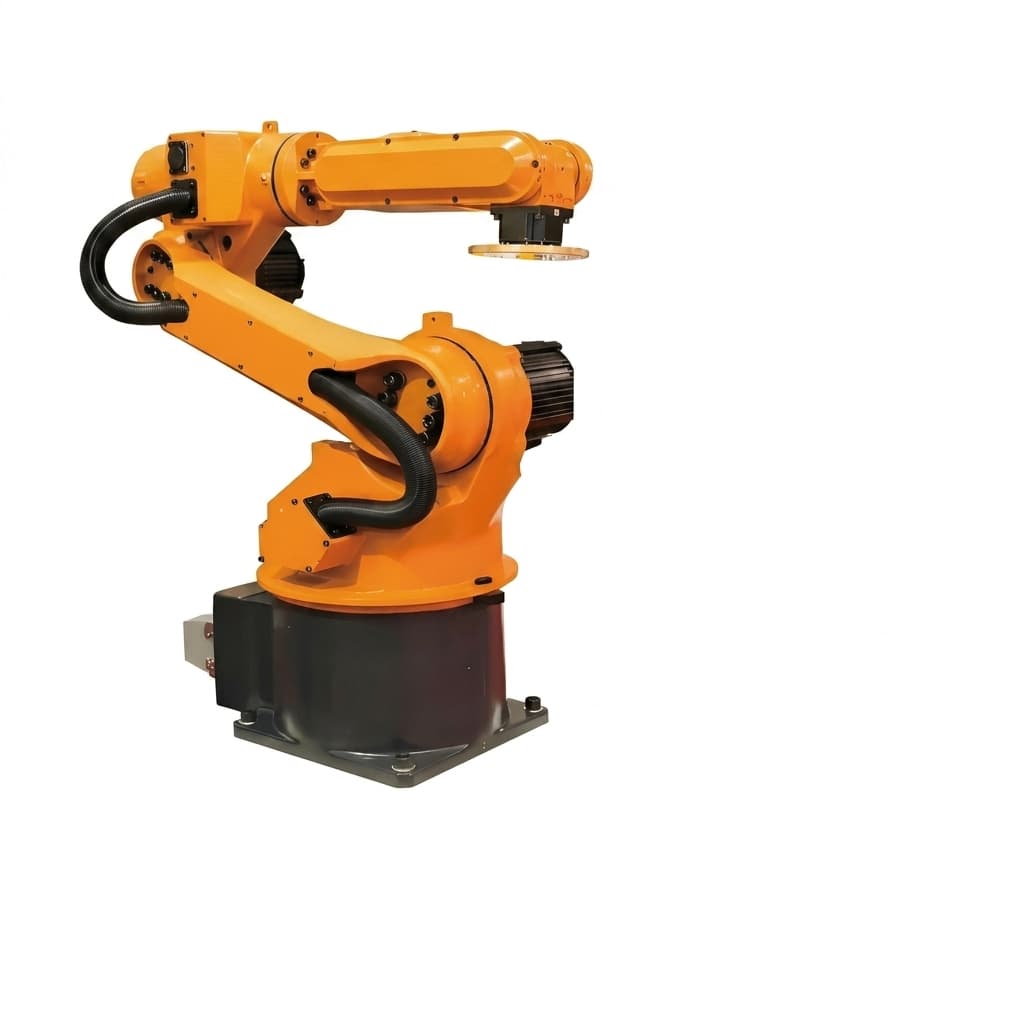
Engineering guide to thermal derating in sealed robot joint actuators: IP67 torque loss, supplier datasheet checks, RFQ questions, and test limits.
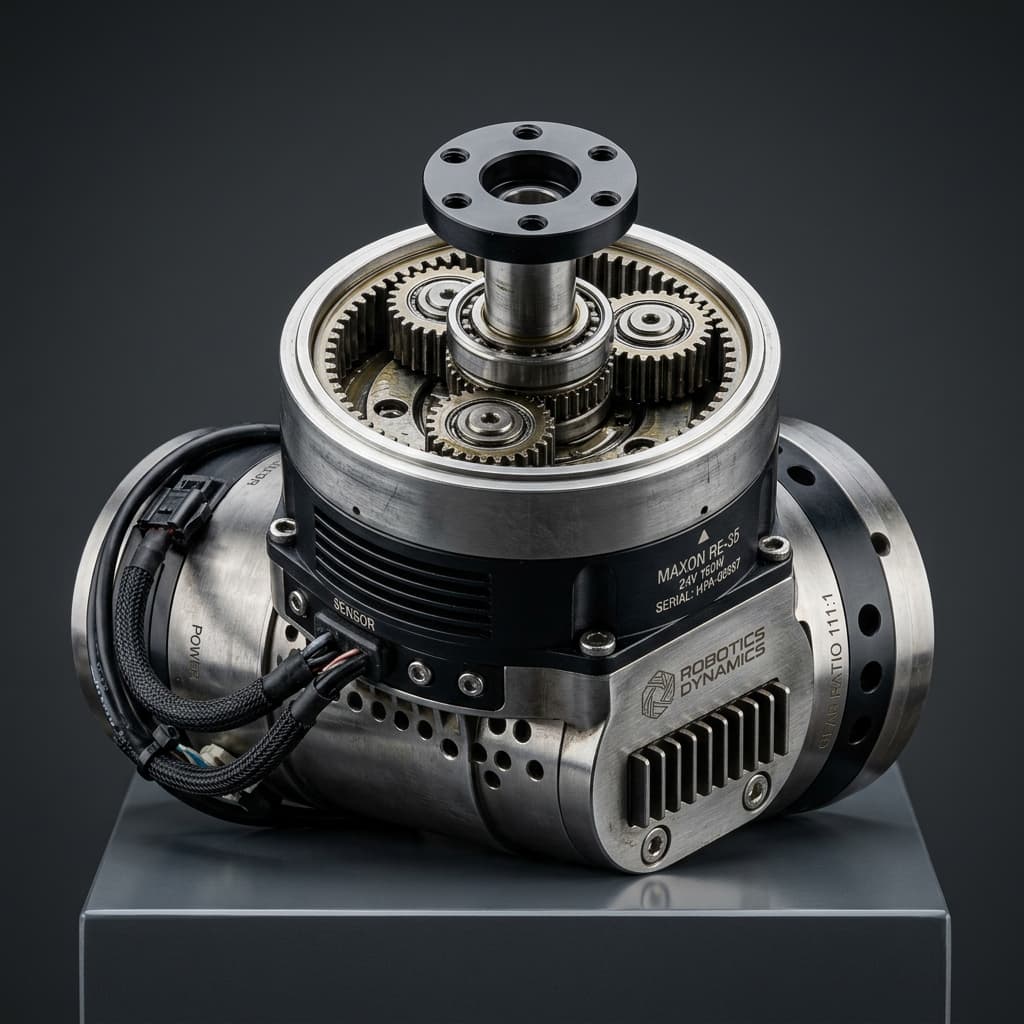
Use this 2026 guide to evaluate SIL 3 / PL e robot joint actuators, STO/FSoE requirements, procurement checks, and RFQ questions for global cobot OEMs.
Compare integrated vs. discrete robot joint actuators for 2026 TCO, BOM, labor, supply risk, MTTR, and RFQ decisions.